Tests for Self-Exams

In life, daily you have to be appear in exams and in some you have to act as examinor and in some places you have to have to been examined by others.
We appears and prticipants in exam of life just for earning our bread and butter but have ever we examine our self ?
As our body also appears in exam of life daily, where it got passed and where it failed we only come to know when we stuck in any sever illnesses.
Your sex organs are as important as any other parts of your body , so here enlisting some ways to keep them healthy:
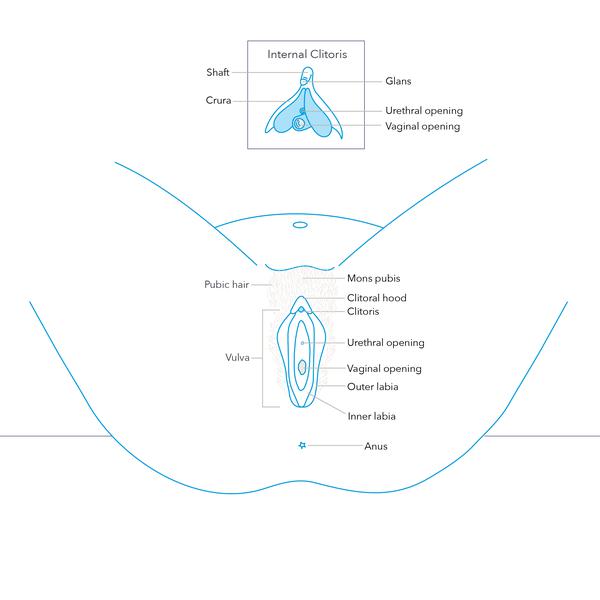
- Internal or Pelvic exam
Internal or Pelvic exam is to make sure that female reproductive organs are healthy.- Pap tests
Pap tests are very important for detecting signs of cervical cancer. It is recommended that females get a Pap test done at 21 years old and then repeat once every 3 years.
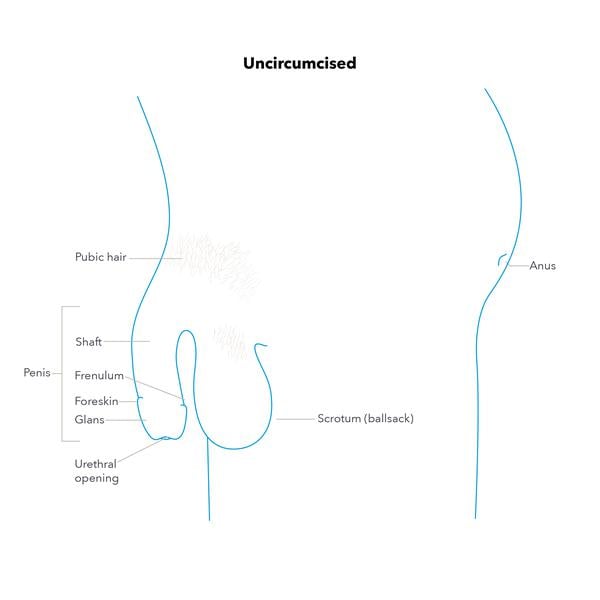
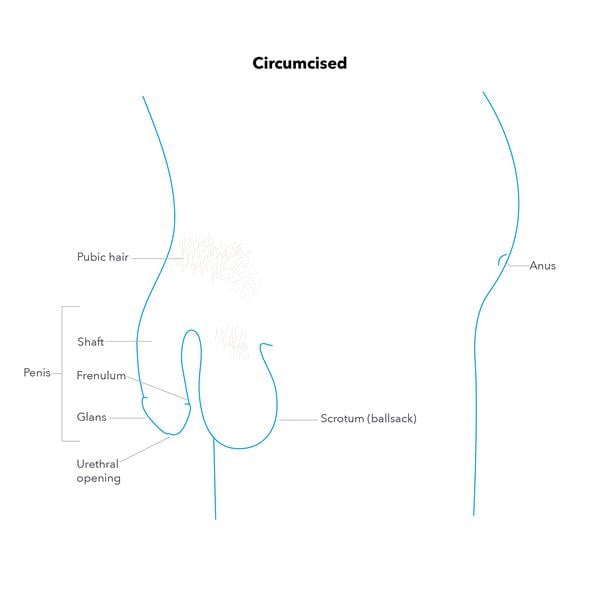
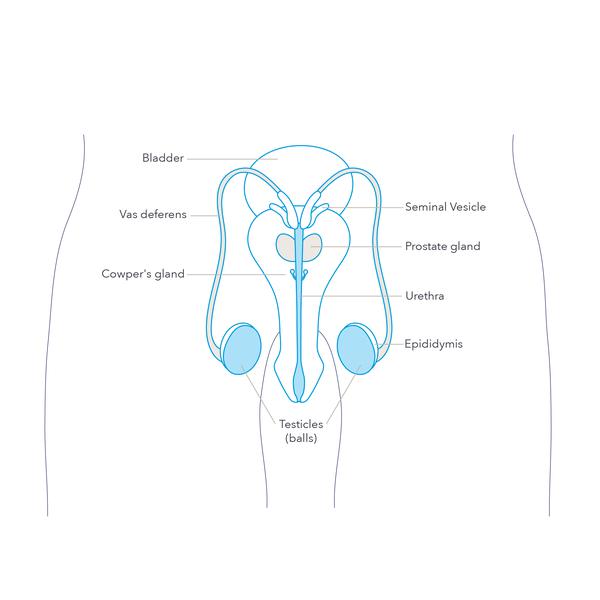
- Testicular exam
Testicular exam is to check for signs of testicular cancer. A doctor or nurse can teach you how to do a testicular exam on your own.
- Breast exam
Breast exam – to check for lumps, swelling, or other signs of breast cancer. A doctor or nurse can teach you how to do a breast exam on your own.
- STI testing
STI testing – if you are sexually active, then youmust should getting tested for sexually transmitted infections in every 1 – 2 years.

For better understanding of your body, visit a doctor for check-ups, and doing self-examinations are important ways to catch signs of cancer and other diseases.Early enough to prevent serious illness.
Other reasons to visit a health professional include experiencing pain during intercourse, noticing signs of an STI or signs that you might be pregnant, choosing a birth control options.
If you had unprotected sex, or if you have been a victim of sexual assault.
You can also book an appointment with a health care provider to learn about your body.
It is important that you feel comfortable talking with your doctor. If you do not feel comfortable or if you are feeling judged by your doctor, or if you do not have a doctor, you should call the local health clinic or health services hotline to ask for a referral.
Many cities and towns have sexual health centres, family planning clinics, or STI testing clinics, which are all good resources.
Your first “internal” exam It is normal to be nervous or anxious about your first internal exam. But knowing what it is for and how it is done ahead of time can make it a lot easier.
- An internal, or pelvic exam,is an examination that your doctor or a nurse performs to take samples from the cervix, to test for STIs or to take a “Pap” test to screen for the early changes that can lead to cervical cancer.
Before the exam, the doctor will ask you a few questions about your health, some of which may be personal, including questions about your sexual activity.
- What to expect: -
The doctor will talk to you through the different parts of the exam. If you’re nervous, let your doctor know – and don’t hesitate to ask questions!
You will be asked to remove your clothes and will be given a gown and/or fabric drape to cover yourself with.You will lie down on the exam table and be asked to move down to the edge of the table and place your feet in the “stirrups” (holders for your feet).
It is normal to feel embarrassed, but you should try your best to relax.You may feel some light discomfort or pressure, but you shouldn’t feel any pain.
The speculum is a tool that will be gently inserted in your vagina and then opened, in order for the doctor to see your cervix.
The doctor will then take a swab to collect cells from your cervix, in order to screen for cervical cancer and to test for gonorrhea and chlamydia.
Sometimes a bimanual exam will be performed, which involves the doctor inserting one or two gloved fingers into the vagina while gently pressing on the outside of your lower abdomen with their other hand to check the size, shape, and position of your ovaries, fallopian tubes, and uterus, noting points of tenderness or abnormal growths.
- Pap test - You should get your first Pap test when you turn 21 years old and then repeat once every 3 years.
- There are some situations when a Pap test should be repeated more often. The Pap test will last only a few minutes. Although it may be uncomfortable, it should never be painful.
- Having a Pap test and pelvic exam is a simple, yet highly effective way to screen for changes or abnormalities in the female reproductive organs that could lead to cancers of the cervix.
- If you are still concerned about your first internal exam, talk to someone who’s been there: mothers, aunts, older sisters, friends, cousins can all give you first-hand details about what to expect. Or make an appointment with your doctor to ask questions before booking your exam.
So, what is your feeling about this article, kindly acknowledge.
And in next article you will come to know what is STI and it's prevention, tests and treatment?